Aluminium profiles
Aluminium profiles are weather-resistant and easy to maintain, and in combination with glass they give a building a modern and elegant look. They are a suitable material for making doors and windows, shop fronts with large glazed areas, entrance and interior doors, and partition walls.The only drawback of aluminium is that it is a good conductor of heat. To provide better thermal insulation, the profile is divided in two, with the inner and outer parts separated by polyamide or polythermid – this produces the so-called “thermal break profile”. These profiles are suitable for external glazing. For glazing that is not intended to provide thermal insulation, aluminium profiles without a thermal break are used, the so-called “cold profile”
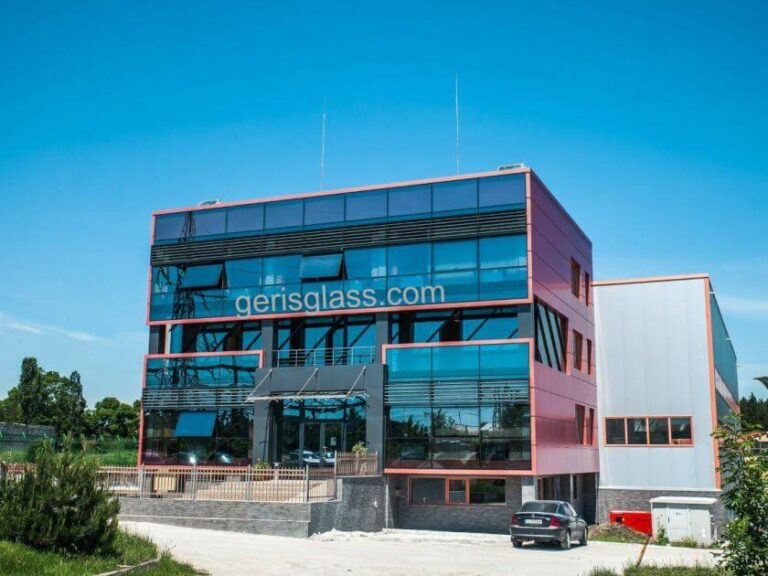
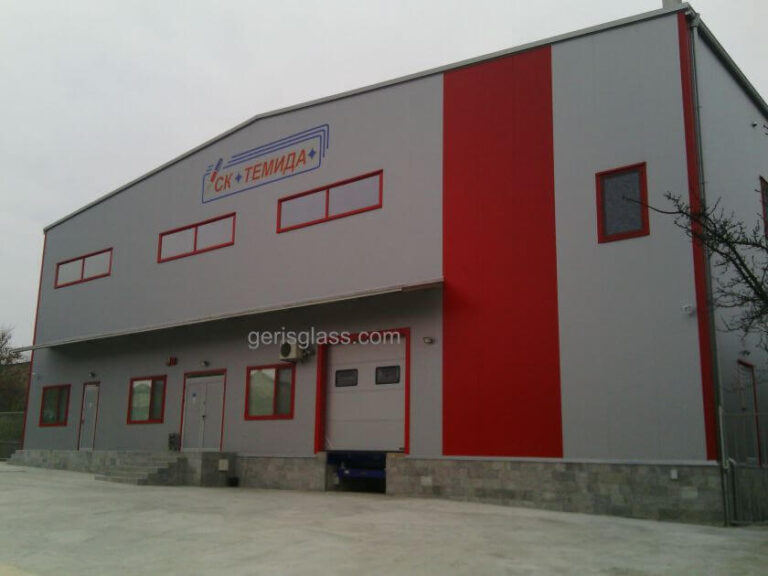
„GERISGLASS“ offers aluminium windows and doors with high-quality profiles made by “ETEM” and “ALUMIL” – an excellent solution for glazing administrative and industrial buildings, commercial premises and office space, as well as your home!
Systems without a thermal break
ETEM E-1000
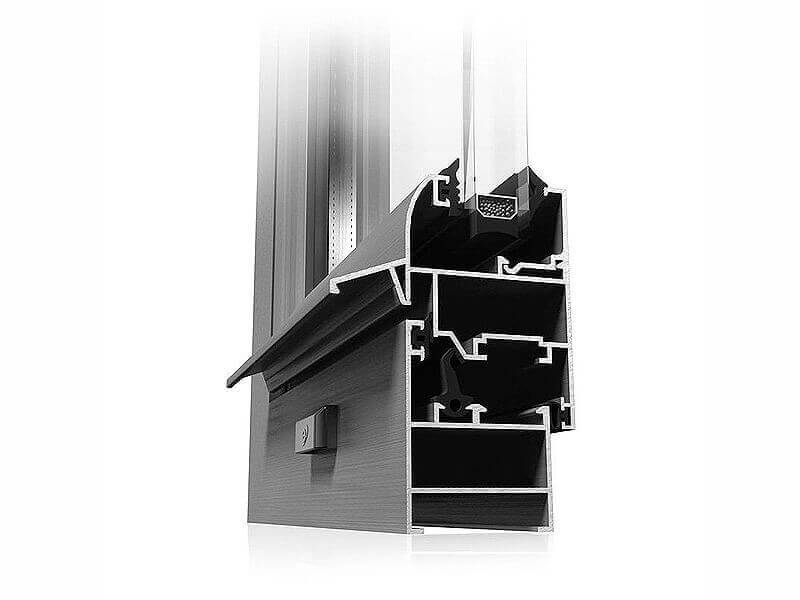 * door and window system without a thermal break
* frame width: 40 mm; 47.5 mm; 75 mm; 90 mm
* sash width: 47.5 mm
* colours from the RAL chart and wood-grain finishes
* can be glazed with single panes and/or insulated glass units (IGUs) up to 27 mm
* gaskets with an enlarged contact area for maximum sealing of the structure
* ETEM E-1000 MINI
* door system without a thermal break
* profile width 33 mm
* colours from the RAL chart
* can be glazed with single panes and/or insulated glass units up to 20 mm
ETEM E-2300
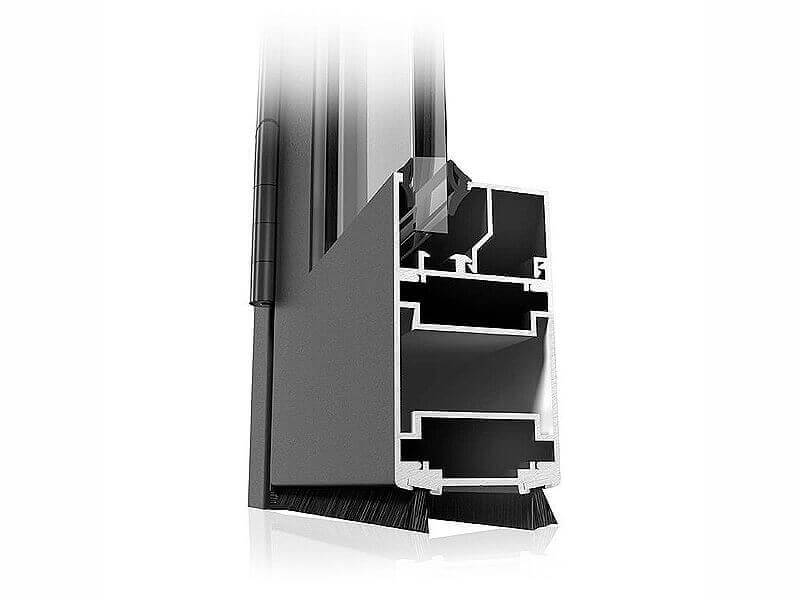 * swing door system without a thermal break
* can be glazed with single panes and/or insulated glass units
* ROOM PARTITIONING SYSTEMS
fixed and movable systems that allow the size of rooms to be changed easily, flexibly and quickly.
ALUMIL 940 MINI
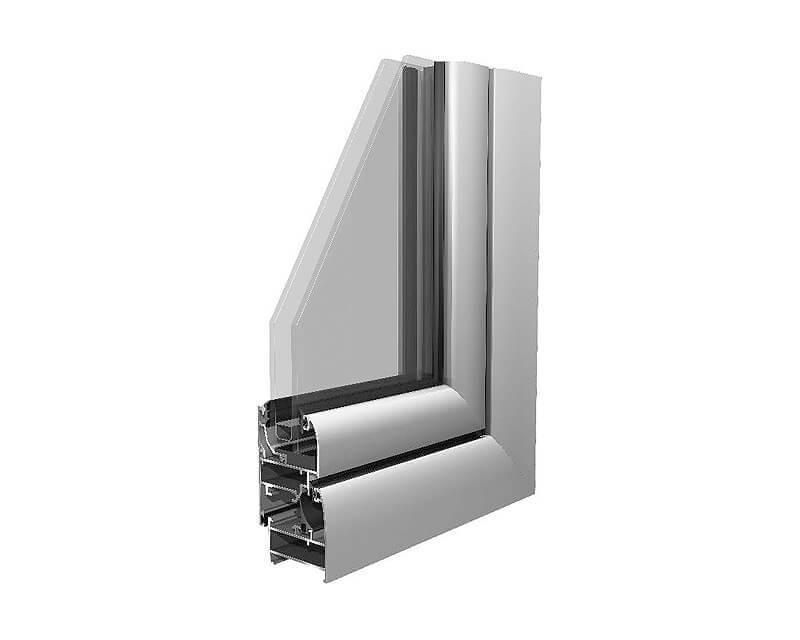 * door and window system without a thermal break
* frame width: 37 mm; 42 mm; 59 mm; 66.5 mm; 100 mm.
* sash width: 44 mm.
* colours from the RAL chart and wood-grain finishes
* can be glazed with single panes and/or insulated glass units up to 20 mm.
ALUMIL 9400 SOFTLINE
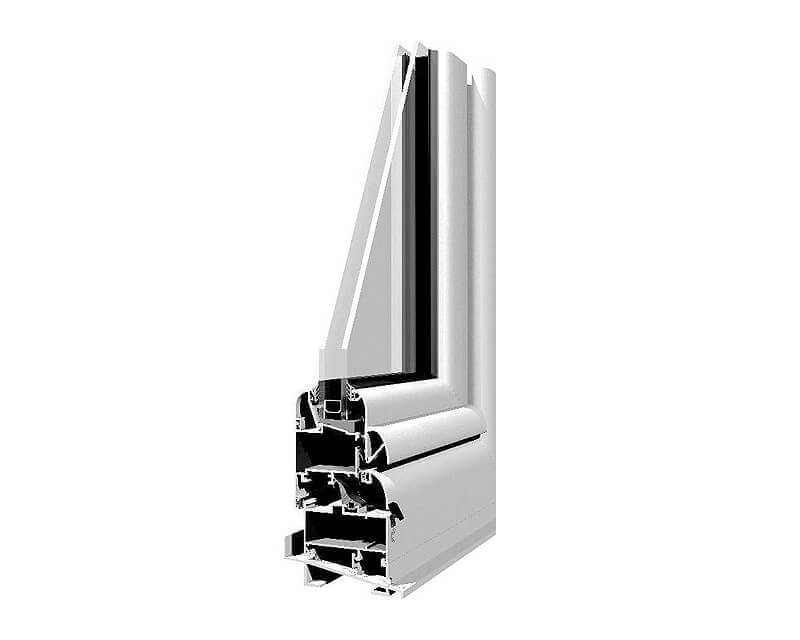 * door and window system without a thermal break
* frame width: 45 mm; 54 mm; 59 mm; 74.5 mm; 93 mm; 116 mm.
* sash width: 52 mm; 61 mm; 67 mm.
* colours from the RAL chart and wood-grain finishes
* can be glazed with single panes and/or insulated glass units up to 20 mm
Systems with a thermal break
ETEM E-40
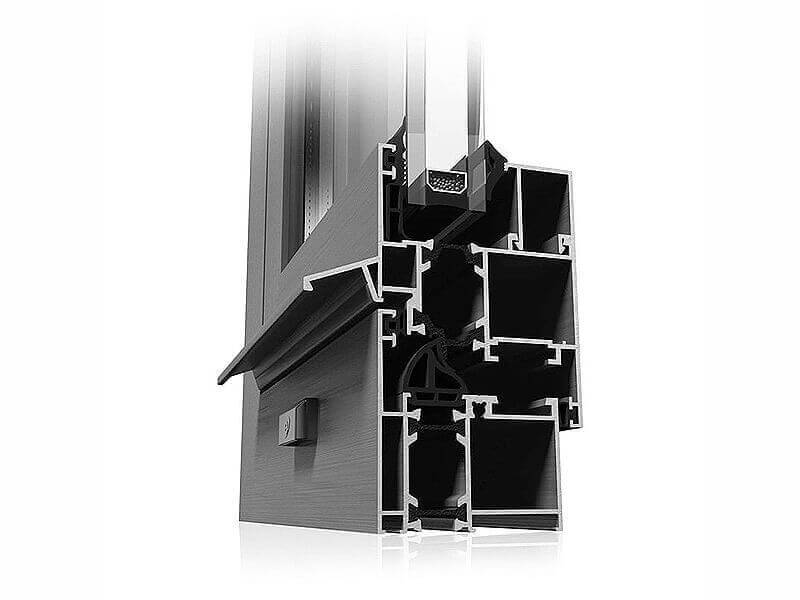 * door and window system with a thermal break
* frame width: 52 mm; 59.5 mm; 75 mm; 103 mm
* sash width: 59.5 mm
* thermal transmittance: Uf = 2.9 W/m2K
* RAL colours and wood-grain finishes
* can be glazed with double and triple insulated glass units up to 40 mm
ETEM E-45
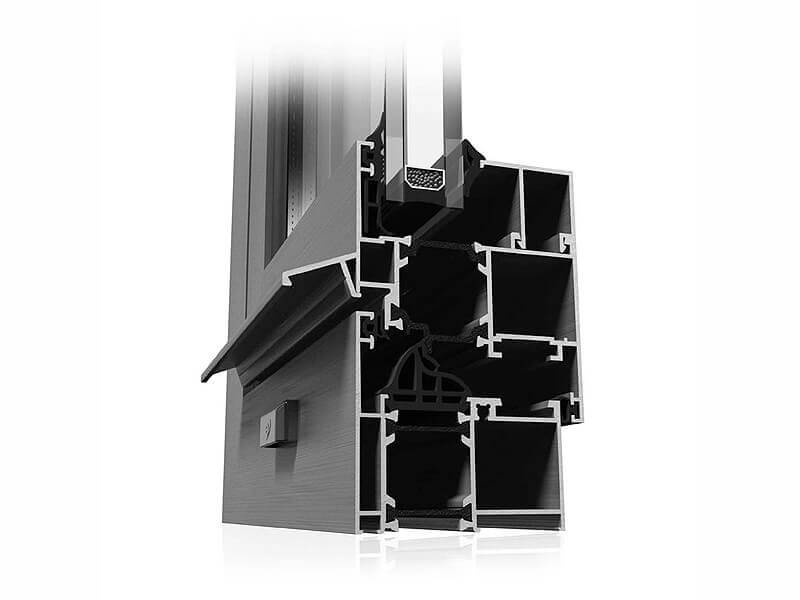 * door and window system with a thermal break (thermal profile)
* frame width: 60 mm; 67.5 mm; 83 mm; 111 mm
* sash width: 67.5 mm
* thermal transmittance: Uf = 2.1 W/m2K * RAL colours and wood-grain finishes
* can be glazed with double and triple insulated glass units up to 49 mm
ETEM E-24 – an extremely reliable system incorporating wide polyamide strips – 24 mm
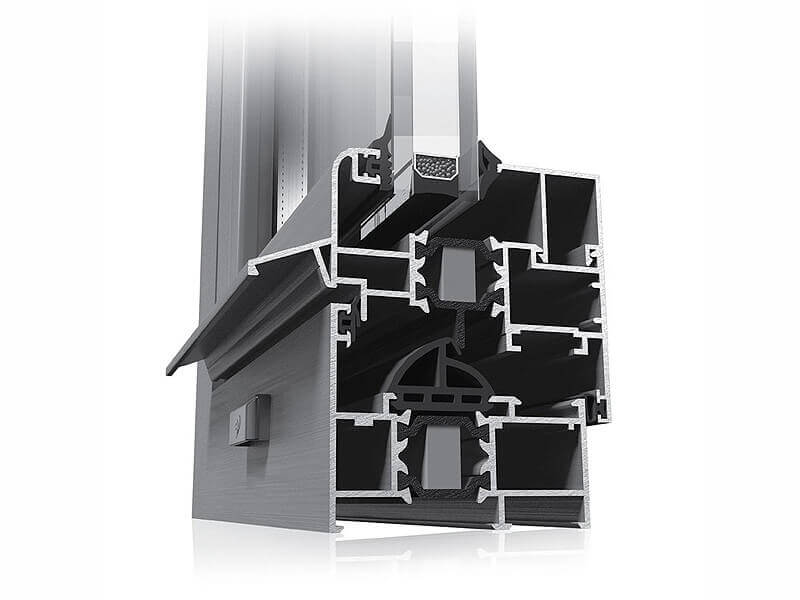 * door and window system with a thermal break (thermal profile)
* frame width: 67.5 mm; 75 mm; 78 mm; 94 mm; 97.5 mm; 114 mm
* sash width: 67.5 mm; 75 mm
* thermal transmittance: Uf = 2.34 W/m2K
* extremely stable and reliable system
* RAL colours and wood-grain finishes
* can be glazed with double and triple insulated glass units up to 49 mm
* line for non-rebated doors – opening outwards and inwards
* combined with heavy-duty external hinges, the profiles are suitable for large entrance doors
ETEM E-75 – a system that meets the latest requirements for thermal insulation, functionality and aesthetics
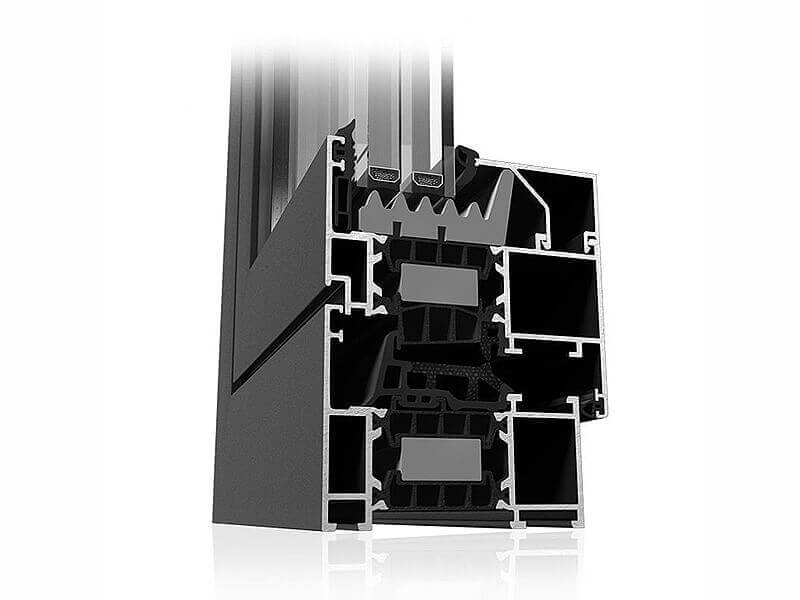 * excellent thermal insulation of 1.1 W/m2K
* door and window system with a thermal break and an additional insulator – 39 mm wide polyamide bars; co-extruded centre gasket; additional insulator under the glass
* frame width: 75 mm
* sash width: 84.5 mm
* extremely stable and reliable system
* RAL colours and wood-grain finishes
* can be glazed with double and triple insulated glass units up to 55 mm
ALUMIL 9650 Alutherm Light
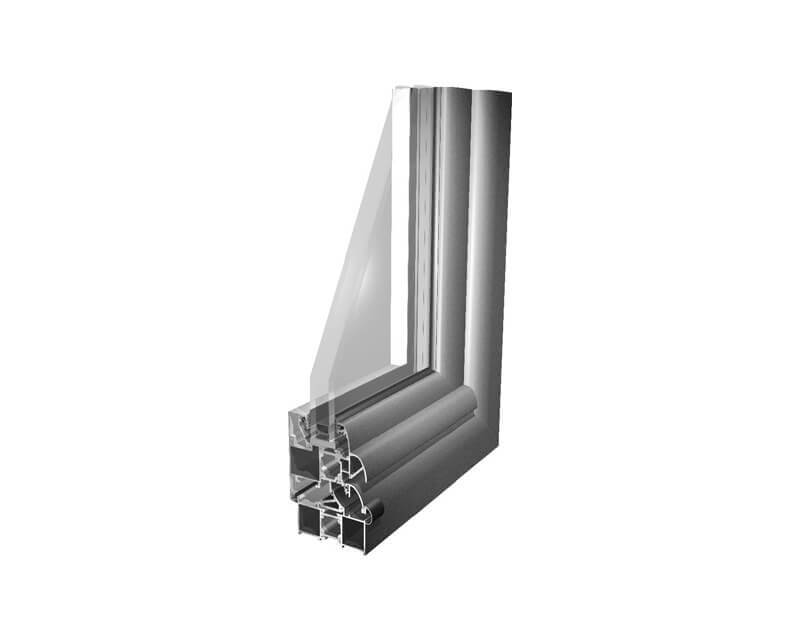 * door and window system with a thermal break (thermal profile)
* frame width: 50 mm; 63.6 mm; 90.8 mm
* sash width: 57.5 mm; 59.5 mm
* Uf = 2,9 W/m2K
* RAL colours and wood-grain finishes
* can be glazed with double and triple insulated glass units up to 42 mm
ALUMIL 11000 Alutherm Plus
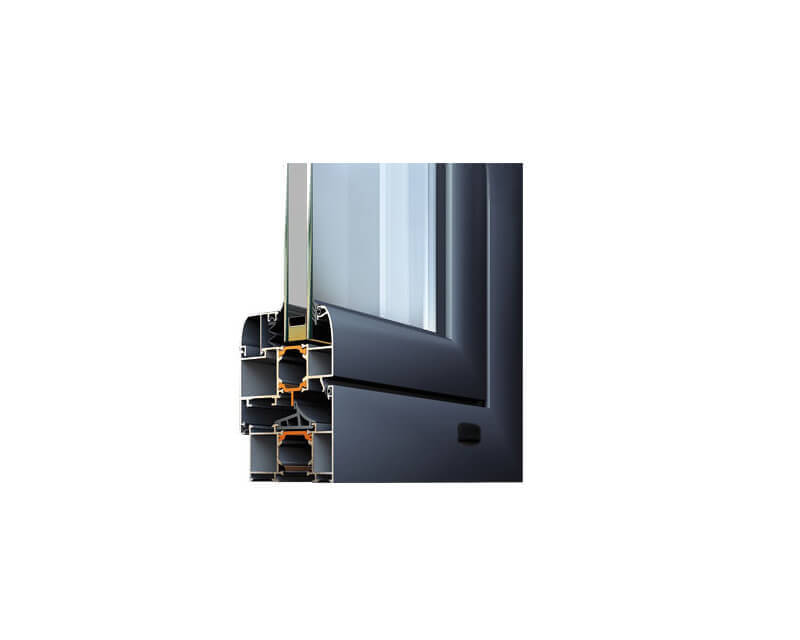 * door and window system with a thermal break (thermal profile)
* frame width: 62.5 mm; 77.4 mm
* sash width: 64.6 mm; 69 mm; 70 mm; 71.5 mm; 77.4 mm
* Uf = 2,3 W/m2K
* RAL colours and wood-grain finishes
* can be glazed with double and triple insulated glass units up to 46 mm
THE COMPANY „GERISGLASS“ HAS SHOWN YOU A SMALL SELECTION OF THE ALUMINIUM DOOR AND WINDOW SYSTEMS AVAILABLE. FOR A SPECIFIC PROJECT, THE COMPANY IS READY TO FULFIL A CUSTOMER ORDER USING THE SYSTEM AND PROFILE BRAND SPECIFIED BY THE CUSTOMER!
Insulated glass unit (IGU)
Energy efficiency is becoming one of the main priorities for every country and every household alike!The insulated glass unit makes up about 80% of the whole window and has the greatest influence on the window's insulating properties: thermal insulation, sound insulation, light transmittance, solar protection or solar factor. An investment in a good insulated glass unit pays for itself in a relatively short time, so you should not compromise when choosing one. As well as being in a colour that suits you, your insulated glass unit should offer high light transmittance, excellent thermal and sound insulation, and protection against solar heat. Thanks to this, you can save a larger share of your heating costs on cold winter days than with windows glazed with traditional glass. Good thermal insulation is important not only in winter but also in summer. In the summer heat, the surface of our windows is exposed to more than 400 W/m2 of solar energy. Traditional insulating glass lets about 80% of this energy into the home, often making our homes unbearably hot. When special glass is used, the solar heat entering the rooms can be reduced considerably, which results in a low temperature on the inner surface of the glass.
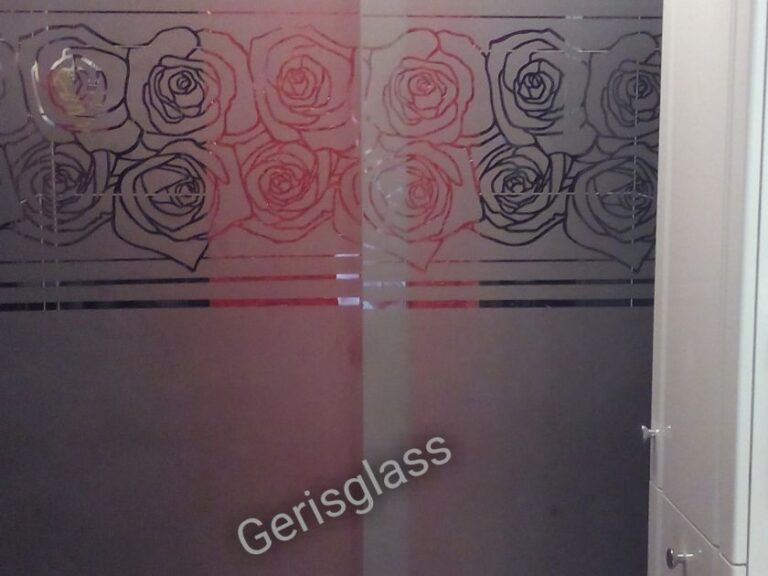
Insulated glass units can be double or triple, filled with air or with an inert gas (argon, krypton or a mixture of gases), clear or tinted, transparent, mirrored or patterned (frosted). The insulated glass units that „GERISGLASS“ recommends for your glazing are those with low-emissivity glass (so-called “K” glass) or with all-season glass (also known as multifunctional, 4-season, Energy or high-energy glass).
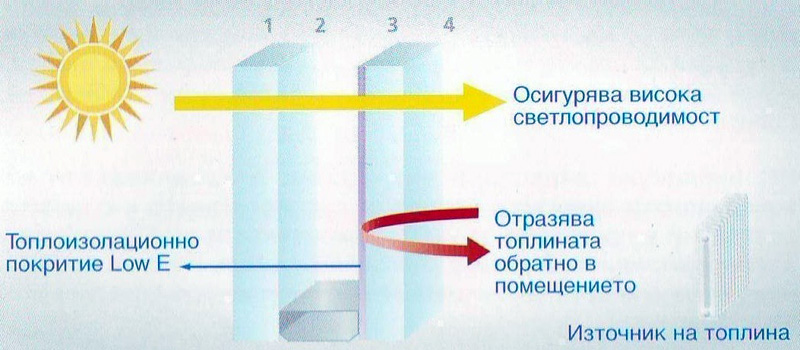
When our goal is to achieve thermal insulation of the building, we use low-emissivity glass, which is fitted in position 3 of the insulated glass unit. In this case, the coating on the glass restricts the passage of infrared rays, i.e. it does not let heat escape outside. It also restricts the passage of harmful rays, prevents fabrics from fading and prolongs their life. In a heated room, the inner surface of a low-emissivity insulated glass unit is warmer than that of an ordinary insulated glass unit, which minimises the possibility of condensation. A disadvantage of insulated glass units of this type is that they, just like ordinary ones, let solar heat pass through the window. This is a good quality in winter, but not in summer. Visually, they look the same as standard units. These insulated glass units are suitable for glazing residential spaces that only need heating in winter (e.g. mountain resorts).
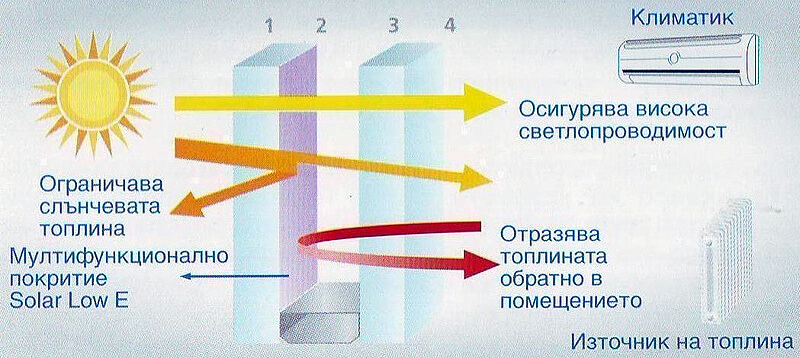
With a view to saving energy, insulated glass units are also produced with a so-called “warm edge”. In these, plastic spacers are used instead of aluminium spacers. Because aluminium is a good conductor, aluminium spacers cause the inner surface of the insulated glass unit to cool along the edge, i.e. the edges become cold. If the surface temperature falls below the dew point of the surrounding air, condensation appears. Thanks to plastic spacers, a higher temperature is maintained along the edges of the insulated glass unit, which significantly reduces the risk of condensation and saves on heating costs.
At a room temperature of 20 °C and an outdoor temperature of 0 °C, the temperature of the glass surface for:
- single glazing is 5 °C
- a 24 mm insulated glass unit is 11 °C
- a 24 mm insulated glass unit with low-emissivity glass is 16 °C
| IGU type | IGU thickness (mm) | Thermal transmittance Ug (W/m2K) | Thermal transmittance with argon gas | Sound insulation Rw (dB) | UV (%) | Solar factor (%) | Light transmittance (%) |
|---|---|---|---|---|---|---|---|
| single clear glass | 4 | 5.8 | 23 | 69.3 | 86.3 | 89.7 | |
| clear / clear | 4-16-4 /24/ | 2.7 | 2.6 | 30 | 59.4 | 79.5 | 82.9 |
| clear / low-E | 4-16-4 /24/ | 1.40 | 1.10 | 30 | 35 | 62.9 | 80.1 |
| all-season / clear | 4-16-4 /24/ | 1.40 | 1.10 | 30 | 25.7 | 42.5 | 66.9 |
| all-season / laminated | 4-16-4 /24/ | 1.40 | 1.10 | 35 | 2.7 | 42.3 | 66.4 |
| all-season / clear / low-E | 4-11-6-11-4 /36/ | 1.0 | 0.8 | 35 | 14.9 | 38 | 59.2 |
| all-season / clear / low-E | 4-18-5-20-4 /51/ | 0.7 | 0.8 | 35 | 15.0 | 38.1 | 59.4 |
Solar factor – the sum of the directly transmitted energy and the part of the energy absorbed by the glass that is radiated by the glazing into the interior. The greater the direct reflection of solar energy by the glass, the lower the solar factor and the lower the air-conditioning costs in the summer months.
Light transmittance – the transmission of visible light (natural lighting).
UV – the transmission of harmful ultraviolet rays, which make colours fade and cause skin cancer.
Sound insulation (Rw) – The Rw index measures the sound insulation of the insulated glass unit. The higher the value of this index, the better the sound insulation.
Better sound insulation is achieved if:
- the insulated glass unit is made of panes of different thicknesses (e.g. 4+5 mm)
- thicker panes are used (e.g. 5, 6 or 8 mm)
- one pane of the insulated glass unit is replaced with triplex (laminated glass)
- the distance between the panes is increased (it should not be overlooked, however, that the distance between the panes has a certain optimum, and increasing it may impair the thermal insulation properties of the insulated glass unit)
- the insulated glass unit is filled with gas (argon, krypton or a mixture of gases)
The percentages by which noise is reduced at specific sound insulation values in dB (logarithmic decibel scale):
- 3 dB – barely perceptible noise
- 10 dB – noise is reduced by 50%
- 20 dB – noise is reduced by 75%
- 30 dB – noise is reduced by 87.5%
- 40 dB – noise is reduced by 94.25%
Sound insulation values of different insulated glass units
24 mm double insulated glass unit:| Glazing | Foil | Thickness | Gas | Sound insulation [ dB ] |
|---|---|---|---|---|
| 4 / 16 / 4 | 24.00 | Argon | 31 | |
| 4 / 15 / 5 | 24.00 | Argon | 35 | |
| 4 / 14 / 6 | 24.00 | Argon | 35 | |
| 4 / 12 / 8 | 24.00 | Argon | 36 | |
| 5 / 14 / 5 | 24.00 | Argon | 33 | |
| 6 / 12 / 6 | 24.00 | Argon | 33 |
| Glazing | Foil | Thickness | Gas | Sound insulation [ dB ] |
|---|---|---|---|---|
| 4 / 12 / 4 / 12 / 4 | 36.00 | Argon | 32 | |
| 4 / 12 / 5 / 12 / 4 | 36.00 | Argon | 33 | |
| 4 / 11 / 6 / 11 / 4 | 36.00 | Argon | 35 | |
| 6 / 10 / 4 / 10 / 6 | 36.00 | Argon | 35 |
Hardware
Hardware is the set of mechanisms and components that join the sash to the frame. It must ensure that the window opens and closes smoothly and guarantee maximum sealing of the structure. Hardware is exposed to a variety of weather conditions and to heavy loads from constant, long-term use. “GERISGLASS” aluminium products are fitted with hardware from leading European brands such as DORMA, GEZE, GU …The hardware allows the opening sash to be adjusted in three planes. It works effortlessly and makes it possible to produce standard, sloped or arched windows. It also makes it possible to open windows in hard-to-reach places (the “fanlight opener” mechanism). The hardware determines whether you will feel a draught in winter, whether your windows and doors will open smoothly, or whether at some point they will sag.
In some aluminium systems, the profiles can be fitted not only with aluminium hardware but also with PVC hardware (see HARDWARE for PVC windows and doors).
With the hardware of your choice, you can have the following types of opening: